
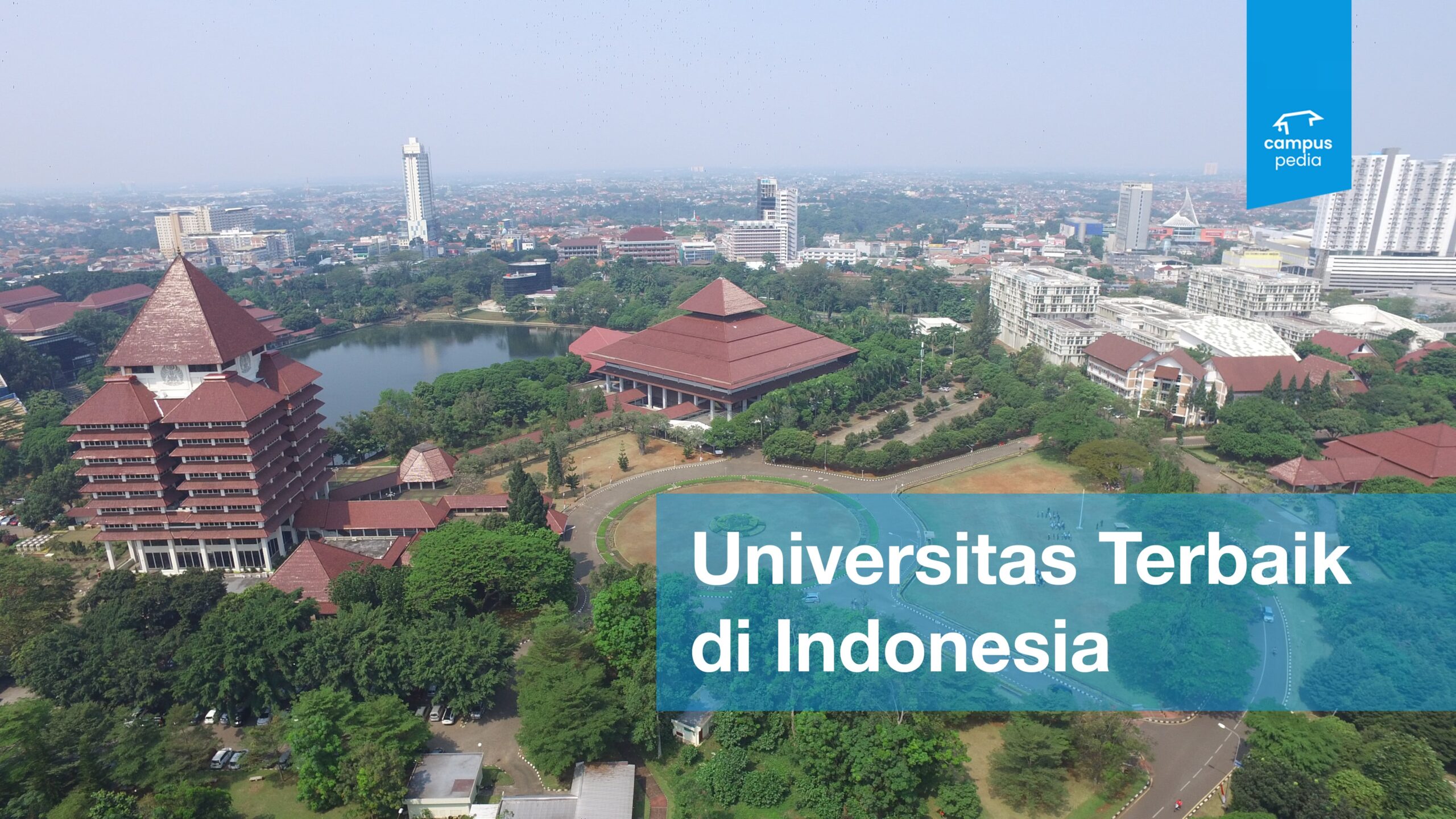
The Importance of Agricultural Education at Universitas Aceh
Agricultural education plays a pivotal role in shaping the future of farming and food security, particularly in regions like Aceh, Indonesia. At Universitas Aceh, this educational focus not only addresses local agricultural challenges but also aligns with global trends toward sustainable practices. The curriculum emphasizes a blend of theoretical knowledge and practical skills, essential for cultivating future agricultural leaders.
Enhancing Food Security
Food security is paramount in Indonesia, a country that faces various agricultural challenges such as climate change and land degradation. Agricultural education at Universitas Aceh equips students with the understanding and skills to develop innovative farming techniques. By emphasizing sustainable agriculture, graduates can contribute to increasing agricultural productivity and efficiency, ultimately enhancing food availability in the region.
Sustainability and Environmental Stewardship
Environmental concerns are becoming increasingly relevant in agriculture. The educational programs at Universitas Aceh stress sustainable farming practices that minimize environmental degradation. Topics such as organic farming, collaborative land management, and the use of bio-based products are included in the curriculum. By focusing on these areas, students learn to balance agricultural productivity with ecological preservation, ensuring that natural resources are available for future generations.
Research and Innovation
Universitas Aceh places a strong emphasis on research and development in agriculture. The university encourages students to engage in research projects that address local agricultural issues. For instance, studies on endemic crop varieties or pest control methods uniquely suited to Aceh’s climate promote innovation. Such research not only benefits local communities but also enhances students’ problem-solving skills and analytical thinking.
Community Engagement and Extension Services
Community engagement is another critical component of agricultural education at Universitas Aceh. Students participate in outreach programs aimed at educating local farmers about modern agricultural techniques, pest management, and sustainable practices. This hands-on experience bridges the gap between academic knowledge and real-world application, fostering a sense of responsibility toward local communities.
Economic Development and Livelihood Improvement
Investing in agricultural education is an investment in the economy. Graduates from Universitas Aceh enhance the local economy by introducing efficient farming techniques and value-added agricultural products. Educated farmers are more likely to adopt entrepreneurial approaches, creating opportunities for agribusiness development. This economic stimulation can lead to job creation and improved livelihoods for families in the region.
Career Opportunities in Agriculture
The demand for skilled professionals in agriculture is on the rise globally. Graduates from agricultural programs at Universitas Aceh find themselves well-prepared for diverse career paths, including agronomy, agricultural engineering, food technology, and agricultural policy. By cultivating a knowledgeable workforce, the university not only assists in career development but also addresses the broader needs of the agricultural industry in Aceh.
Technological Advancements
Technological innovation is reshaping agriculture, and educational institutions are at the forefront of this change. At Universitas Aceh, students are exposed to modern agricultural technologies, including precision agriculture, biotechnology, and information technology applications. Training in these areas prepares graduates to incorporate technology into traditional farming methods, leading to increased productivity and efficiency.
Collaboration with Industry Partners
Universitas Aceh recognizes the importance of collaboration with industry stakeholders. By partnering with agricultural firms, government bodies, and NGOs, the university ensures that its curriculum is relevant and responsive to current agricultural trends. Internships and cooperative education programs allow students to gain real-world experience and establish professional networks conducive to future employment.
Global Perspectives on Agriculture
In an increasingly interconnected world, understanding global agricultural practices is essential. The agricultural education program at Universitas Aceh includes international case studies and exchange opportunities. These experiences broaden students’ perspectives, allowing them to analyze global agricultural challenges and contribute innovative solutions tailored to local contexts.
Interdisciplinary Approaches
Agriculture does not operate in isolation; it intersects with various disciplines, including economics, sociology, and environmental science. At Universitas Aceh, interdisciplinary approaches are encouraged, fostering a holistic understanding of agricultural issues. Such an approach prepares students to tackle complex challenges that involve multiple sectors and stakeholders.
Continuous Lifelong Learning
Agricultural education is not confined to the classroom. Universitas Aceh fosters a culture of lifelong learning, encouraging graduates to stay abreast of new developments in the field. Workshops, seminars, and online courses provide opportunities for professional development, ensuring that alumni remain competitive in a fast-evolving industry.
Policy Advocacy and Leadership
Finally, agricultural education at Universitas Aceh prepares students for roles in policy-making and leadership. Understanding agricultural policies and their implications enables graduates to advocate effectively for farmers and rural communities. By equipping students with critical thinking and advocacy skills, the university nurtures future leaders capable of driving agricultural development in Indonesia.
The integration of these elements within the agricultural education program at Universitas Aceh underscores its importance in addressing local and global agricultural challenges. Through comprehensive training and community engagement, the university is poised to produce the agricultural leaders of tomorrow, making a significant impact on the region’s food security and economic sustainability.